
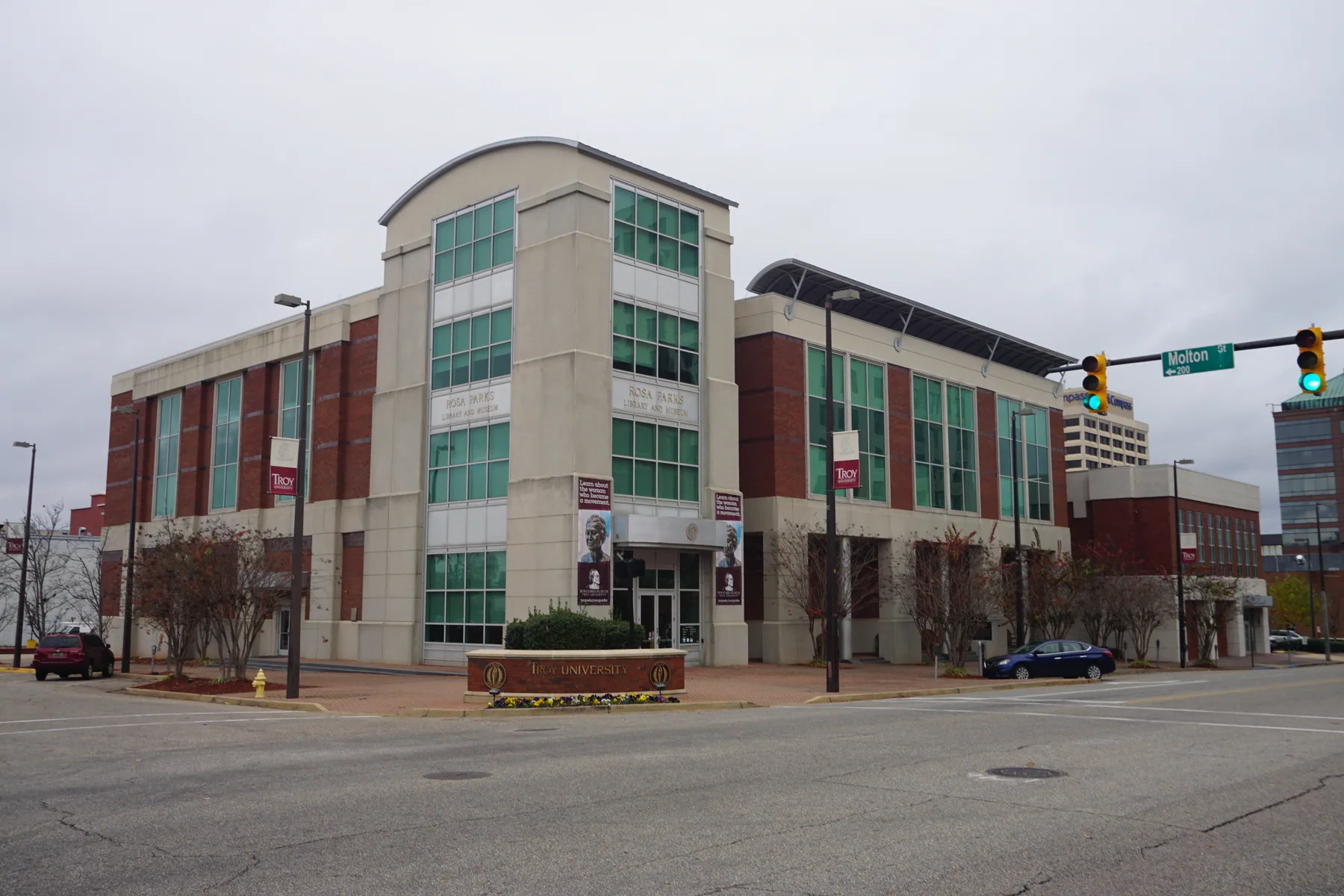
Montgomery is central to the history of the modern Civil Rights Movement, but the story is larger than one bus and one church. A useful visitor guide connects places, chronology and institutions while leaving interpretation of individual sites to the museums and organizations that preserve them.
Start with geography
Court Square, the Rosa Parks Museum area, Dexter Avenue and the State Capitol help visitors understand how close many key locations are to one another. Walking the distance between them gives the history a scale that is easy to miss on a map.
Make room for both the movement and the violence it confronted
The Legacy Museum and National Memorial for Peace and Justice broaden the story beyond the bus boycott and connect Montgomery to slavery, racial terror, segregation and mass incarceration. These are not quick photo stops; plan enough time to engage with the interpretation.
Use primary institutions for detail
LocalMontgomery can organize the trip, but museums, churches, EJI and official historic sites should remain the authority for exhibits, hours, tours and the lives of people represented there. That approach improves both accuracy and trust.
Make it current
Use the live calendar before you lock in the day. A festival, home game, museum program, concert or road closure can change the best version of this plan.