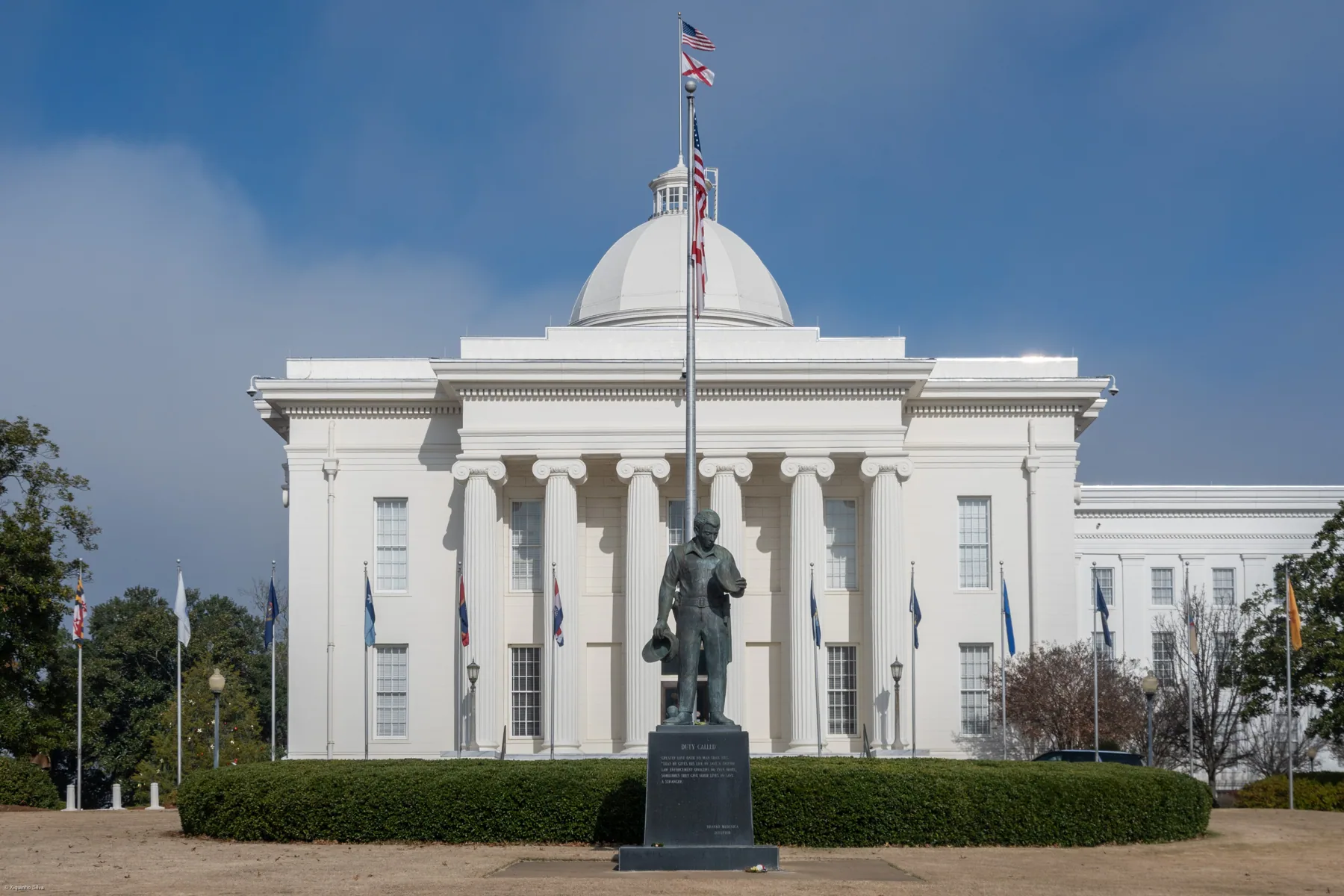
A city is incorporated
Montgomery grew as a river and commercial center and later became Alabama's capital, giving downtown a lasting civic role.
Dexter Avenue, Court Square, the Alabama River, civil-rights sites, neighborhoods, food and current events belong on the same map.
Find a place, the party rentals and the finishing touches.
Montgomery was incorporated in 1819 and later became Alabama's state capital. Its downtown also became central to the modern Civil Rights Movement: the Montgomery Bus Boycott began in 1955 after Rosa Parks was arrested, and the 1965 Selma-to-Montgomery voting-rights march concluded at the Alabama State Capitol.
A useful local guide should connect those nationally important sites to the ordinary city around them—riverfront space, food, neighborhoods, arts, sports and whatever is happening this week.
Walk the civil-rights storyMontgomery grew as a river and commercial center and later became Alabama's capital, giving downtown a lasting civic role.
After Rosa Parks was arrested, Black residents organized a 381-day boycott of the municipal bus system that became a major chapter in the Civil Rights Movement.
The Selma-to-Montgomery voting-rights march ended at the Alabama State Capitol, linking the city's streets to another nationally significant campaign.
Deep reads from around Montgomery — history, culture, neighborhoods and the stories that make the city feel like itself.
The site where Wilbur Wright briefly taught pilots in 1910 eventually became Maxwell Air Force Base and a national center for professional military education, tying Montgomery to more than a century of American aviation.
Read the story →02EAT LOCALMontgomery food spans long-running institutions, downtown date-night rooms, Southern plates, international food and neighborhood favorites. This guide organizes the decision around where your day is already happening instead of pretending one ranked list fits every meal.
Read the story →03BEFORE 1955The 1955–56 bus boycott changed American history, but Montgomery’s earlier river trade, cotton economy, state politics, Black communities and transportation networks explain the city in which that movement took place.
Read the story →The same city can hold nationally important history and an ordinary Saturday. LocalMontgomery needs both.
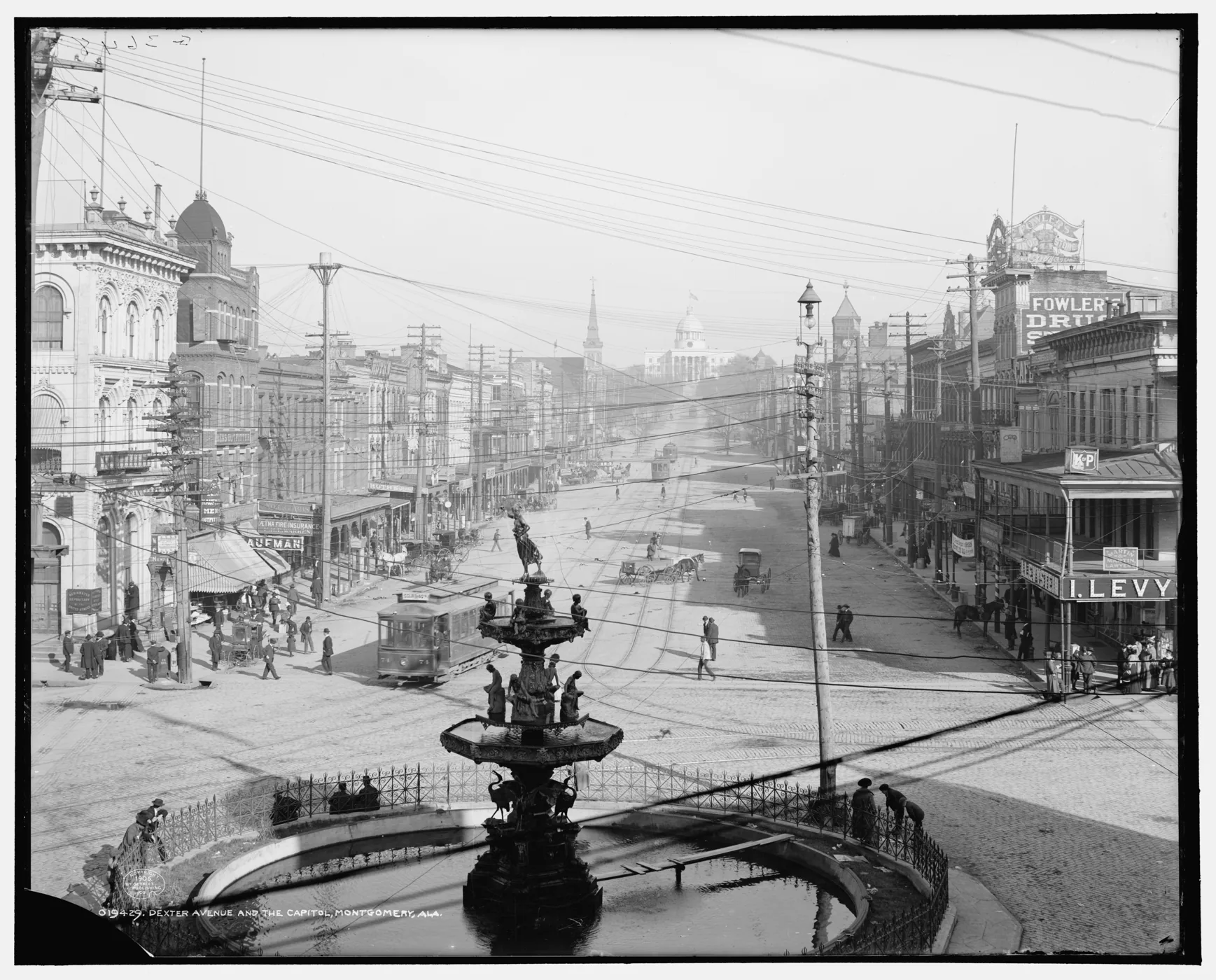 A CAPITAL WITH LAYERS
Montgomery's state-capital role, river commerce, nineteenth-century history and twentieth-century civil-rights history overlap within a compact core.
Read the Montgomery guide →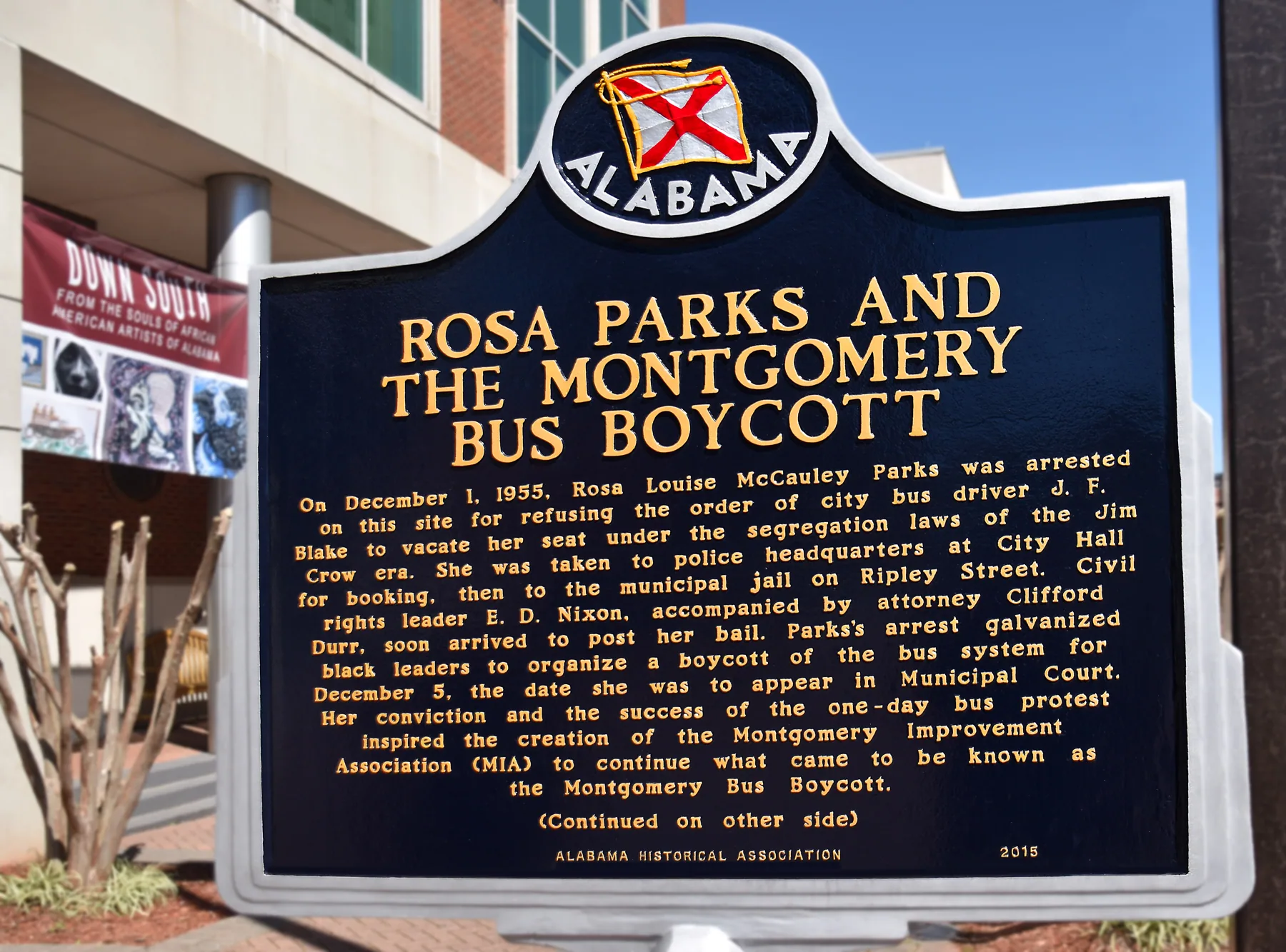 HISTORY YOU CAN WALK
Court Square, the Rosa Parks Museum area, Dexter Avenue, churches, memorials and the Capitol let visitors understand chronology through geography.
Read the Montgomery guide →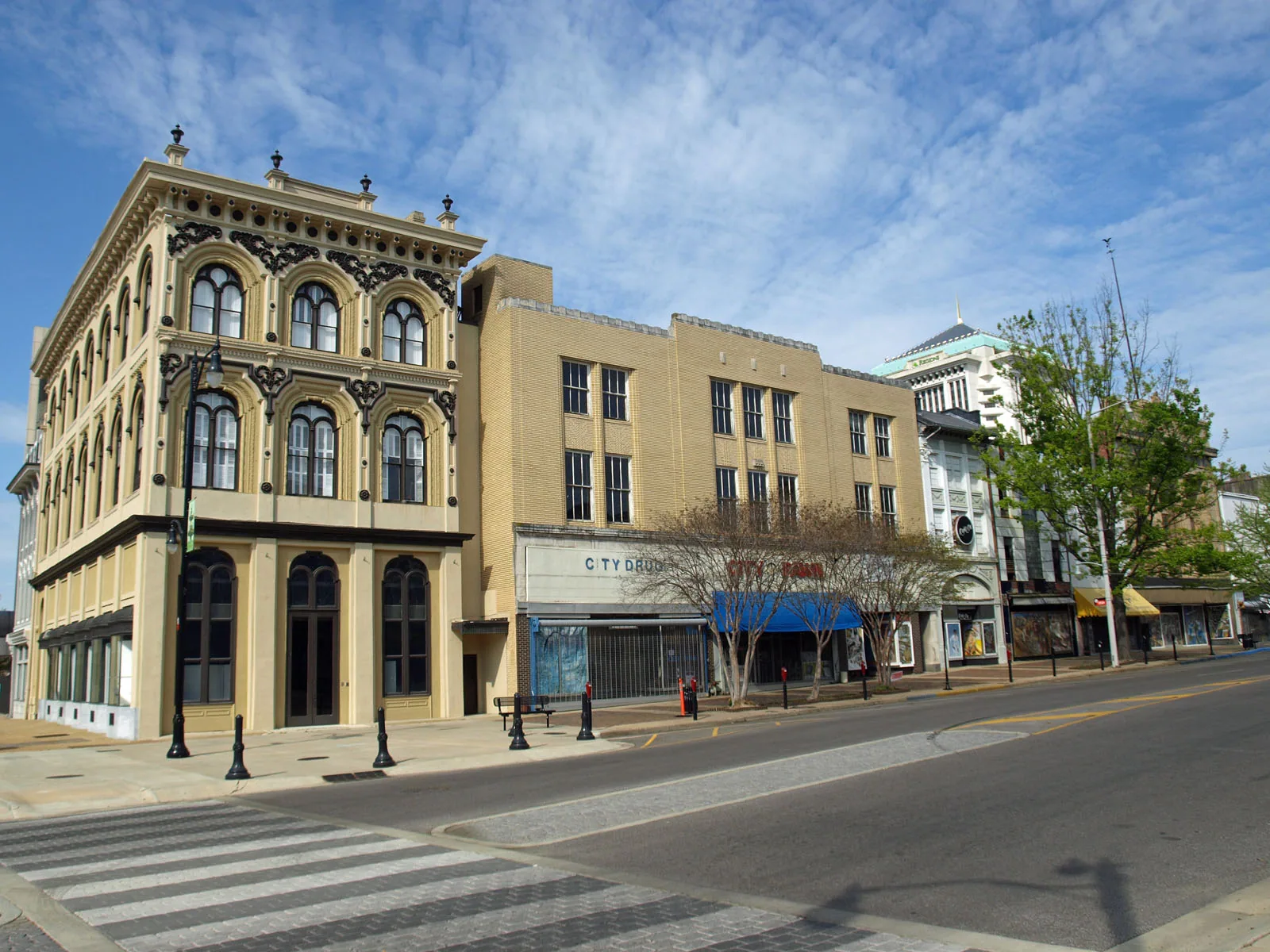 EAT LOCAL
Downtown meals, Cloverdale and neighborhood favorites keep a visit from becoming a sequence of museums and monuments.
Read the Montgomery guide →ASU Stadium, Montgomery
Official schedule ↗Legion Field, Birmingham
Official schedule ↗ASU Stadium, Montgomery
Official schedule ↗Loading current events…
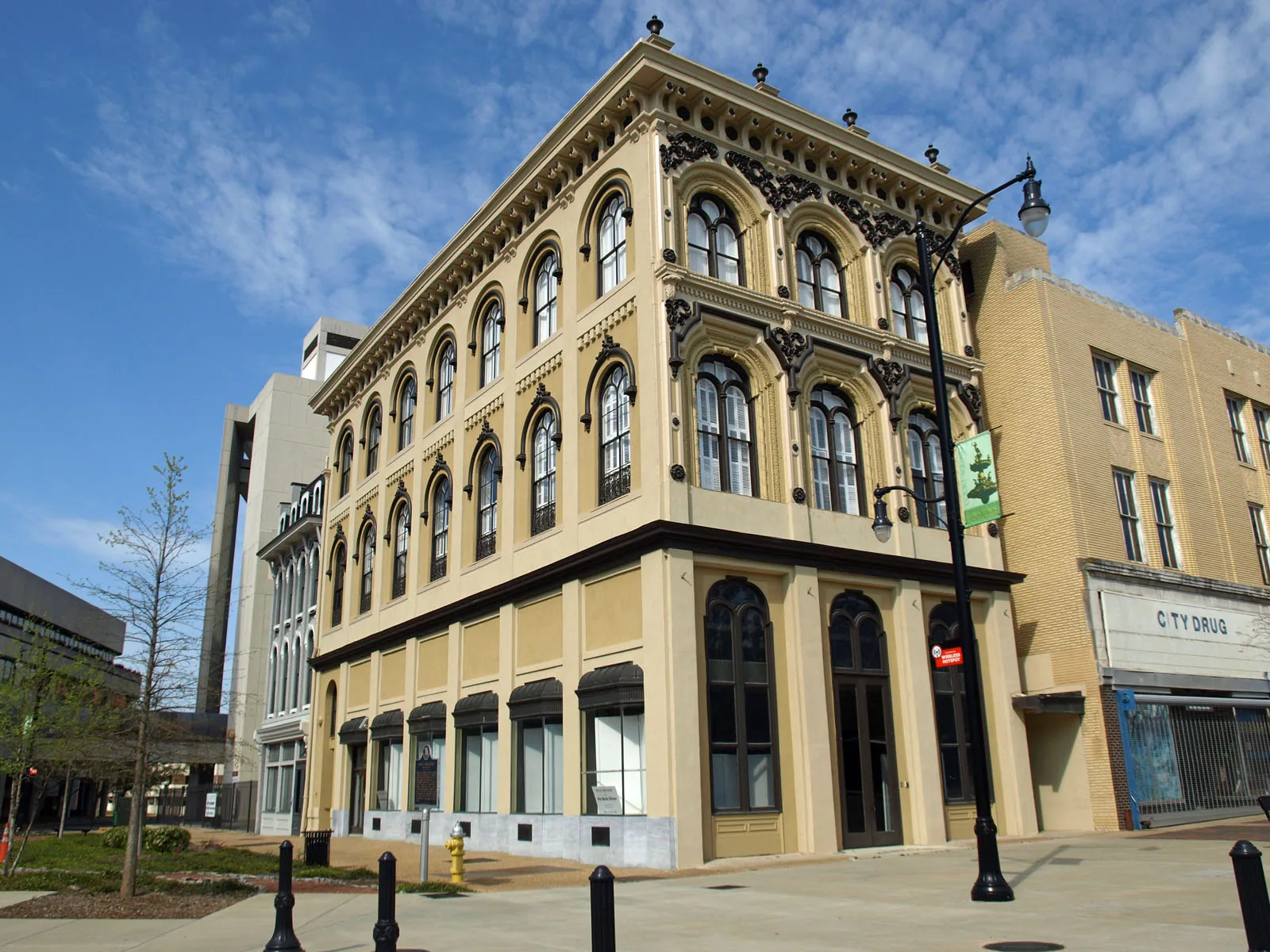 REAL MONTGOMERY • WALK IT YOURSELF
Dexter Avenue, Court Square, civic buildings and the riverfront make a Photo Walk especially useful here because geography is part of the story.
Riverfront Park, museums, sports, performances, neighborhoods and family attractions give the site reasons for repeat local traffic.
Read the Montgomery guide →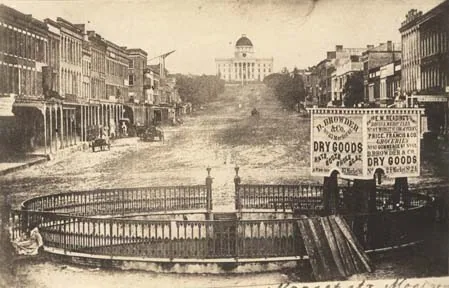 BLOCK BY BLOCK
Historic residential districts and everyday commercial corridors make Montgomery feel lived in instead of staged.
Read the Montgomery guide →EAT LOCALDowntown meals, Cloverdale and neighborhood favorites keep a visit from becoming a sequence of museums and monuments.
Read the Montgomery guide →Paid placements are clearly labeled and never change factual historical content or event details.
A thoughtful Montgomery plan pairing the civil-rights landmarks, museum visits, downtown walking, the riverfront and local food without rushing the most important stops.